Harvester Ants For Sale
Champions of norrath 2. Champions of Norrath: Realms of EverQuest is an action role-playing video game for the PlayStation 2, set in the EverQuest universe. It is playable with one single player or cooperative for up to four players. However, with a Network Adapter, players can take the game online with others and kill others or join to form groups of adventurers. Champions of Norrath allows gamers to create their own unique hero to journey from the city of Faydwer into the wilds of Norrath to save the land from a gathering army of evil orcs and goblins. Players can adventure alone or with a band of up to three other players either over the Internet or on a single PlayStation 2 with a Multitap. Champions of Norrath is a third-person dungeon crawler based on the EverQuest universe. There are five character classes to choose from (Barbarian Warrior, Wood Elf Ranger, High Elf Cleric, Dark Elf Shadow Knight, Erudite Wizard), each may be male or female. The game spans five acts that cover vari. For Champions of Norrath on the PlayStation 2, GameFAQs has 6 FAQs (game guides and walkthroughs), 9 cheat codes and secrets, 32 reviews, 75 critic reviews, 4 save games, and 3 user screenshots.
Outstanding variety of Harvester Ants Pogonomyrmex Barbatus and many related items. Shop harvester ants pogonomyrmex barbatus available for sale right now online! Harvester Ants Pogonomyrmex Barbatus in Stock. Buy Harvester Ants Pogonomyrmex Barbatus on eBay now! Sale of Queen Ants Isn’t Good for the Environment. Harvester ants can bite or sting to protect themselves when handled, touched, or provoked. If you're allergic or sensitive to insect bites and stings, take extra caution in setting up and managing the ant farm. $ 19.99 – $ 24.99.
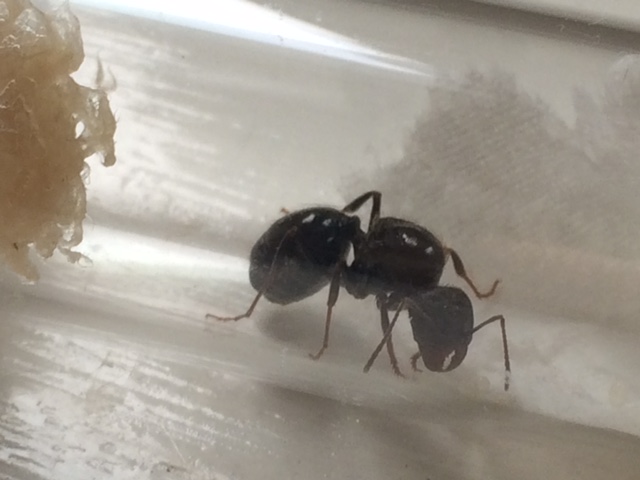
These are fresh and live Harvester ants, from the same colonies I feed my own Horned Lizards (aka Horny Toads) everyday. Our rescued Horned Lizards eat most of them, but we usually have enough on hand to sell and help fund our efforts. Whether as food for Horned Lizards, or for ants farms, these are the most popular genus of ant.
Order from the people who actually keep and understand horned lizards!
Launch Schedule A regularly updated. A Russian Soyuz rocket will launch approximately 36 satellites into orbit for OneWeb, which is developing a constellation of hundreds of satellites in low. Air Force successfully flight-tested a hypersonic weapon from a B-52 Stratofortress bomber, defense giant Lockheed Martin announces. A hypersonic weapon is a missile that travels at Mach. Ussr air force rocket flight schedule. Click on a launch to get detailed information about the launch location, rocket type, mission, date and launch window, as well as view a video of the launch. The first launch is by Firefly Aerospace with the launch of a Firefly Alpha rocket. This Maiden Flight mission is scheduled to occur on Fri Jul 31st 2020 8:00 PM EDT from Vandenberg AFB.
TheP. barbatus species of harvester ant is the most abundant harvester ant species within the Horned Lizard's natural range; from Texas, Oklahoma, Kansas, New Mexico, Arizona, and into northern Mexico. The majority of Horned Lizards recognize this species of harvester ant as their primary food source. Other species of harvester ant sold by other suppliers (such as P. californicus), have a smaller relative distribution and may be rejected or not favored by some species of Horned Lizard.Basic Life Cycle of the Harvester Ant
Most Horned Lizard species are largely dependent on Harvester Ants as the main food item in their daily diet. The average adult Horned Lizard may eat 50-100 ants a day, or more, depending on size and species. The percentage of Harvester Ants in your Horned Lizard's natural wild diet varies with species. This could be anywhere from 60% to 90% of its natural diet. Most Horned Lizard species in captivity are Phrynosoma platyrhinos (Desert Horned Lizard), which are on the higher end of the scale, probably second only to the P. solare (Regal Horned Lizard) or P. mcallii (Flat Tail Horned Lizard) in the amount of ants they eat.
Harvester Ants contain formic acid, which as harvesters of plant matter, is taken up from plants which produce it as a by-product of oxidation of CO2. Formic acid is believed by many Horned Lizard experts, such as Dr. Richard Montanucci (Maintenance & Propagation of Horned Lizards in Captivity 1989), to aid in creating and maintaining proper pH levels and flora in the digestive tract of the lizard. This lower pH may provide anti-infective protection from certain gram negative bacteria (which cause common illnesses in reptiles), and is believed may also keep gastric parasites in check by providing a less hospitable pH environment.
For many years rumors have circulated of formic acid supplements which can be sprayed or dusted onto crickets or other items, in order to provide Horned Lizards with formic acid, without giving them harvester ants in the diet. This is simply not sound husbandry or a safe practice. There are numerous other reasons why horned lizards have evolved their specialization on these ants, and which do not include formic acid as the primary reason for the specialization. These reasons include the nutrient dense seed diet of the harvester ant in the wild, as well as the digestive processes of the horned lizard itself; which derives the miscible nutrients from the gaster of the ant, without the need to digest the dense chitin of the exoskeleton. In this way the horned lizard (most of whom dwell in arid environments) efficiently conserves its hydration. Additionally, many commercially produced formic acid preparations are not originally intended as a food supplement for small animals, and the concentrations of formate are alarmingly high. This may lead to hypercalcemia, formate accumulation, formate intoxication, nerve damage, and optic nerve damage (blindness resulting). In the cases where this product is being used as a supplement for administration to lizards, take note of the warning that this product is admittedly experimental by the seller, and is also acknowledged as a known eye and respiratory irritant!
Horned Lizards are generally difficult to keep in captivity and not recommended for the beginning reptile keeper. To ensure optimum health of your Horned Lizard and encourage full growth, feed him/her a varied diet that also includes a generous daily amount of live Red Harvester Ants.
It's come to my attention that some people are using this supplement for their horned lizards, and my opinion has been asked on it numerous times over the years. I have spoken extensively about such supplements in the past, and I was asked if I wished to participate in the development and testing of this product in Jan 2012.
Generally, my opinion has been not supportive of the supplement route, but this has nothing to do with any motives to sell ants in this case. There are a lot of people out there who can attest to the fact that I have declined to sell them ants. I have encouraged many people to return a horned lizard to the wild, rather than to make a new customer out of them.
In regard to where I fall in my opinions on husbandry and diet, the side in which I choose to be on, is the side where I can have sound experience and citation worthy science behind me. That science and experience supports a natural diet over short cuts which like 'supplements', which are often not used as a supplement at all by most people, but instead - a REPLACEMENT.
I follow the very same line of logic when it comes to D3 supplementation over purchasing quality UVB lighting for your reptiles. I support encouraging the natural D3 production with the lighting, rather than short-cutting metabolic and endocrine processes by introducing a hormone supplement. Such supplementation may be much more or less than the body would have produced for its own needs, thus, having an enhanced potential for causing metabolic and organ dysfunction. The very word 'supplement' alone should be enough to indicate that it can't replicate, nor can it replace a dietary staple, therefore, it should not be used in such a way. Despite this product being labeled as a supplement to obligate ant eaters, the fact remains, that were these obligate ant eaters actually getting ants - they wouldn't need this product at all. I would remind the reader that the diet of wild horned lizards varies from between 60-90+% ants, and that no wild horned lizard has need of Formic Cal, and neither do captive ones, if there is a genuine effort to adhere to providing a natural diet for these unique lizards.
I have only seriously began to look at this 'supplement', but already I am concerned and have found some scientific data that calls into question the wisdom of the use of such a product, which is so concentrated (40% ca. formate active ingredient). Formic Cal is on the market and available for public purchase, although it comes with a warning on the product information page that it should be regarded as 'experimental'. It is also admitted to be a known irritant. Formate is indeed a harsh eye and respiratory irritant. If you shouldn't be breathing this stuff, should your horned lizard? The following is taken directly from their product information:
'WARNING: Calcium Formate is an irritant. [emphasis mine] In case of contact with eyes, rinse immediately with plenty of water and seek medical advice.
INFORMATION: This product should be considered EXPERIMENTAL. The requirements for dietary formic acid are unknown, [emphasis mine] and this product is designed to be a tool for research only. [emphasis mine] Use this product at your own risk. Formic-Cal Plus has a strong taste and may not be palatable to some species at full strength. If necessary, dilute with our Calcium Plus.'
I've studied this issue for years, and I came to the conclusion about 5 years ago that it's not formic acid which is the most important constituent in harvester ants, as it relates to the health and longevity of horned lizards. I wrote extensively in my manual revision about 4 years ago, that the varied and nutrient dense plant-based diet of the harvester ants themselves, and the unique method in which ants are digested in the horned lizard (conserving water and drawing out nutrients, rather than breaking down the chitin of the exoskeleton), is what makes the ants a significant factor in their diet. Both the biology of the ant, and the digestive process of the horned lizard, are much more complex than most people give consideration to. Formic acid is not the magic bullet, and neither is this so-called supplement.
My concerns with this product specifically, stem from the following:
Calcium formate is not the same chemical as formic acid. It is calcium bound to a salt of formic acid. Metabolic pathways, pharmacokenetics, and pharmacodynamics aren't necessarily the same as it would be for a horned lizard consuming an ant that contained a minute amount of organic formic acid. As an example, allow me to illustrate for you what to most people sounds like a metabolic paradox: that consuming citric acid results in a net increasing of pH (more basic), rather than a decrease in pH (more acidic). In this case, consuming an acid results metabolically in the end production of bicarbonate - which is a base. My point is simply that metabolism doesn't always work in the way you may think, so don't be duped into thinking that one substance is equal to the benefits of another, just because they sound similar, or may even be similar.
In the matter of this chemical supplement, the biology is quite involved as well. The active ingredient being 40% calcium formate, which is more readily absorbed than either ca. carbonate or ca. citrate, the two most popular forms of calcium supplementation currently on the market and approved for use in calcium supplementation in humans. So, why is ca. formate not necessarily better, since more readily absorbed might lead you to believe that this always means 'better'?
Ca. formate intake results in a several fold rapid increase in serum calcium levels. This means that the potential for chronic and acute hypercalcemia from calcium overdose is pretty high in my opinion. Sharp increases in serum levels are not typically desirable or healthy with any substance.
If this supplement is overdosed (and nobody can be very precise with such a dose to a small reptile, even were Repashy responsible enough to offer a dosing guide) the dramatic rise in both calcium and formate may lead to two very real and tragic possibilities:
a. Acute hypercalcemia may result, and can lead to tremors, seizures, heart attack, coma, and death. Calcium doesn't just make strong bones and teeth. It is an important mediator of CNS activity, including cardiac and motor function.
Additionally, if the horned lizard is in any way suffering a chronic Ca:P imbalance, such as from Metabolic Bone Disease, an acute increase in serum calcium may lead to soft tissue (organ) calcification and death as result. In reptiles potentially compromised with MBD Ca:P imbalances which are under veterinary treatment, it is standard practice to offer phosphate binders to bring P levels down prior to administration of boluses of calcium (source - D. Mader, DVM, Reptile Medicine & Surgery, 2nd edition).
b. The formate constituent has the potential for acute accumulation and is the toxic metabolite which is responsible for retinopathy in methanol poisoning. Methyl alcohol is metabolized first to formaldehyde, then formate. It is the formate which damages the optic nerve, causing blindness, not the methanol.
If there is insufficient hepatic folate (folic acid) in the subject ingesting the formate, then accumulation in the blood occurs and retinopathy can be the result, as well as potentially fatal organ dysfunction and metabolic acidosis.
My concern is that we don't know, without specific studies, the average hepatic folate levels in a wild horned lizard versus a captive one (with little doubt, the captive one would more likely be deficient in folate between the two). We also don't have a dosing recommendation to at least provide a ball park judgement that no more formate is dosed than the liver of a HL may handle; much less any kind of dosing recommendation based on typical serum calcium levels in horned lizards, so as to also avoid the adverse cardiac and other CNS effects of hypercalcemia.
This supplement contains folate way down on the list of constituents..however, circulating serum folate or folate in the digestive tract is useless to the matter of formate accumulation. The folate MUST be available on demand in the liver at the time the formate arrives, in order for the formate to be metabolized and safely eliminated before it accumulates to toxic levels in the blood. A little research on google will confirm this.
Before coming to this conclusion, I have downloaded and read at least 6 related scientific/medical journal articles dealing with formate accumulation studies and dietary folate in animal models, as well as studies of the bioavailability and absorption of calcium from oral calcium formate.
This Formic Cal product contains almost half the active ingredient of ca. formate, and it concerns me that in the future I may have novice keepers coming to me with convulsing or blinded horned lizards - a possible result of chronic long term overdosing of this product.
This product needs an actual dosing guide, which was based as a result of a real study in horned lizards. It is irresponsible and shows the make a fast buck commercialization mindset to put this product out there to the general public with lip service warnings that it's 'experimental', as if the average consumer will be able to make an informed decision as to what exactly the risks entail. I hope that I have shed some light on what Repashy neglected to say or investigate.
In addition, it must also not be overlooked that the chemical analysis which Repashy used as a basis for the development of Formic Cal, was derived from carpenter ants (Camponotus spp.), not red harvester ants (Pogonomyrmex spp.). Horned Lizards will rarely partake of carpenter ants when presented them (myself and many others have tried them as an alternate food source), and carpenter ants don't typically occur in the arid habitats where most horned lizard species are native. Horned Lizards simply don't recognize them as much for food, and when they do partake of them, they typically don't like them. The reason is likely because the carpenter ant has a poison gland in the gaster, and uses a spray of formic acid to repel such predatory attacks, which makes them distasteful. Harvester ants don't have this defense and must actually grab the victim with their mandibles and then deploy their stinger barb, just like a wasp. Before they can do this though, the typical horned lizard has already gobbled them up, so their defenses are not a problem for the horned lizard. The carpenter ant is a completely different genus and the horned lizard did not evolve the same predator-prey specialization for carpenter ants as is the case for harvester ants.
My recommendation? The same as I would give you on running out to get the new iphone 10, before all the bugs were worked out - DON'T. Stick with harvester ants for your horned lizards, not a half-baked replacement synthetic and hyper-commercial idea, which is potentially dangerous to your animal's health. I care not where you get your harvester ants..only that you get them somewhere if you hope to maintain horned lizards.
Repashy Formic Cal serves one purpose, and one purpose only - that is to sell another accessory to a niche market, which they hope to expand by duping you into thinking horned lizards will somehow become easier to maintain in captivity on this supplement. Don't fall for product hype, which offers a magic fairy dust as a replacement for mymecophageous biological specialization, which horned lizards have evolved over thousands of years.